Ayurvedic View of Female PCOD – Description
Polycystic Ovarian Disease (PCOD), known in Ayurveda as “Artava Dushti” or “Beeja-Dushti”, is understood as a disorder primarily caused by imbalance of the Tridosha, especially Kapha and Vata, along with impaired Agni (digestive power) and disturbed Rasa and Artava Dhatu. Ayurveda explains that when the body accumulates excess Kapha, it leads to heaviness, sluggish metabolism, and obstruction in the reproductive channels (Artavavaha Srotas). This blockage affects follicular development, resulting in immature eggs, cyst formation, hormonal imbalance, and irregular menstrual cycles.
Vata, especially Apana Vata, governs menstruation, ovulation, and hormonal flow. When Vata becomes imbalanced due to stress, irregular lifestyle, lack of sleep, or excessive fasting, it disturbs the natural reproductive rhythm. Meanwhile, Pitta imbalance contributes to inflammation, acne, excessive hair growth, and mood fluctuations.
Ayurveda views PCOD not merely as a reproductive issue but as a systemic disorder involving metabolism, digestion, mental health, and hormonal functioning. Poor dietary choices such as oily, sugary, refrigerated, or junk foods aggravate Kapha and Ama (toxins), leading to weight gain and sluggish ovarian function. Stress, sedentary life, and sleep imbalance further disrupt ovarian hormones.
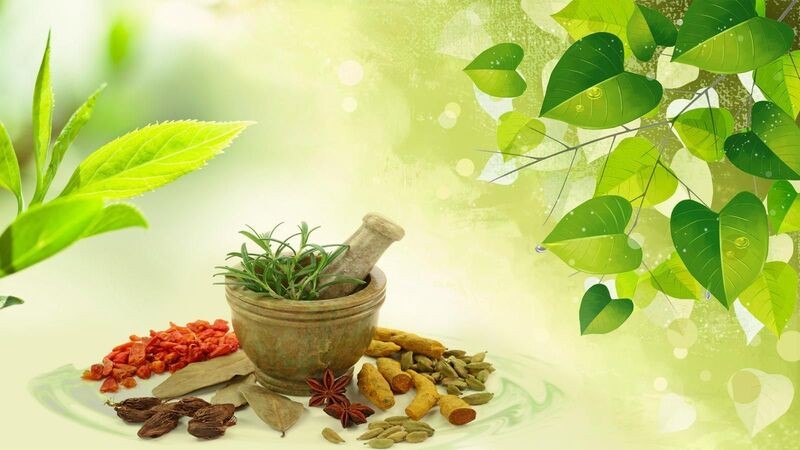
Therapeutic focus in Ayurveda is to restore balance in Agni, cleanse the reproductive channels, support hormonal regulation, and rejuvenate ovarian function through herbal medicines, Panchakarma therapies, diet, and lifestyle correction. Herbs like Shatavari, Ashoka, Lodhra, Guduchi, Guggulu, and Triphala help regulate cycles, reduce cyst formation, balance hormones, and support fertility. Panchakarma treatments like Virechana, Basti, Uttar-Basti, and Nasya are effective for long-term healing.
Ayurveda emphasizes that reversing PCOD requires discipline and consistency in lifestyle, diet, stress reduction, and natural healing methods.