Ayurvedic Description of Female Ovulation
In Ayurveda, female reproductive health is governed by the harmony of the three doshas—Vata, Pitta, and Kapha, along with the health of Artava Dhatu (reproductive tissue). Ovulation, known as “Ritu” or “Beeja Utpatti Kala,” is the natural monthly process where a mature ovum is released. This event is essential for conception and is seen as a sign of balanced hormones and strong reproductive vitality.
Ovulation is primarily governed by Vata Dosha, specifically Apana Vata, which regulates downward movement, menstrual flow, and maturation of the ovum. Pitta Dosha, especially its hormonal function (Alochaka and Sadhaka Pitta), supports the transformation process and heat needed for the follicle to mature and rupture. Kapha Dosha nourishes the reproductive tissues, supports follicle development, and ensures healthy cervical mucus.
Ayurveda emphasizes that ovulation is not just a biological event but also an indicator of a woman’s overall physical, emotional, and mental well-being. Irregular lifestyle, poor diet, high stress, and hormonal imbalance disturb the doshas and may lead to irregular ovulation or anovulation (absence of ovulation).
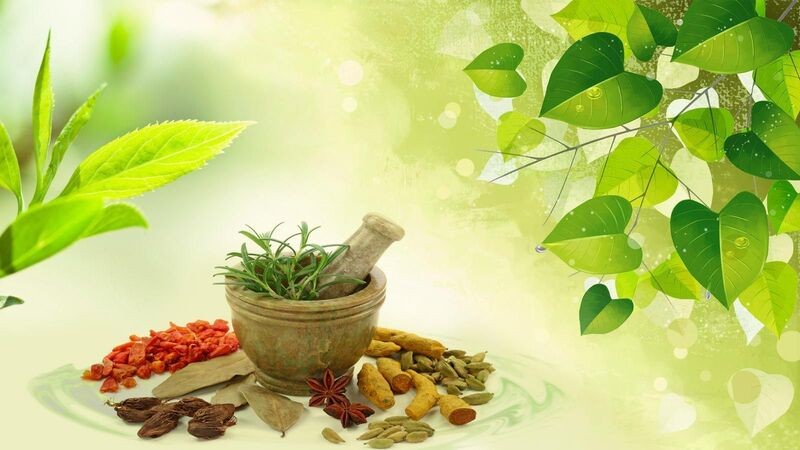
Herbs such as Shatavari, Ashoka, Lodhra, Dashmool, Jatamansi and therapies like Uttar Basti, Nasya, Abhyanga, and Basti are traditionally used to strengthen the reproductive system and support natural ovulation.