Ayurvedic View of Baldness (Khalitya)
In Ayurveda, baldness—whether partial or complete—is known as Khalitya. It occurs when the natural balance of the doshas, especially Pitta, becomes disturbed. Pitta governs heat, transformation, and the metabolic processes of the scalp. When Pitta increases beyond normal levels due to diet, stress, lifestyle habits, or environmental factors, it begins to overheat and weaken the hair follicles, causing the hair roots to shrink and die. As a result, hair becomes thin, weak, and gradually stops growing.
Along with Pitta, Vata imbalance contributes by causing dryness, roughness, and poor nourishment of the scalp, while Kapha imbalance can block hair follicles with excess oil or dandruff. When these doshas collectively disturb the hair channels (Rakta and Majja dhatus), hair loses its strength and density, leading to bald patches or complete baldness over time.
From an Ayurvedic perspective, baldness is not just a scalp problem—it is often a sign of internal imbalance, poor digestion (Agni), toxin buildup (Ama), stress, hormonal fluctuations, and improper lifestyle habits. Junk food, spicy and oily meals, excessive heat exposure, smoking, lack of sleep, and emotional stress all aggravate Pitta and accelerate hair loss.
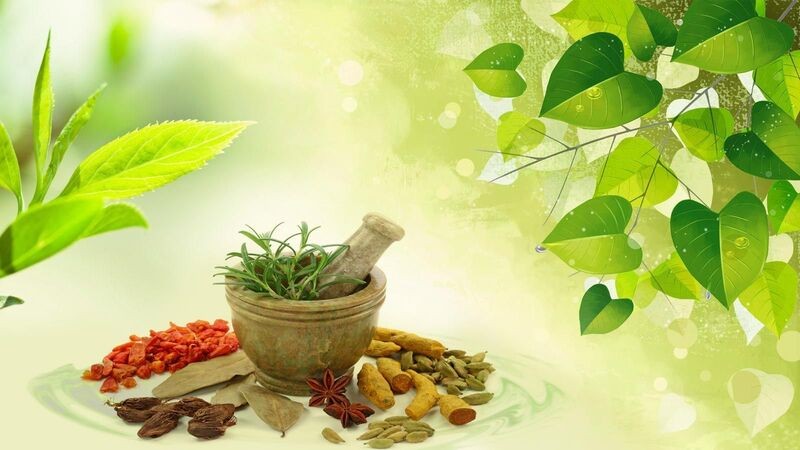
Ayurvedic treatment for baldness aims to cool down the scalp, nourish hair roots, clear blocked hair channels, strengthen tissues, and restore dosha balance. Herbs like Bhringraj, Amla, Brahmi, Neem, Yashtimadhu, Methi, and Ashwagandha help rejuvenate hair follicles. External therapies such as Shiro Abhyanga (head oil massage), Nasya (nasal therapy), Shirodhara, and medicated oils encourage better blood flow, detoxification, and nourishment.
Diet and lifestyle are equally important. Ayurveda recommends avoiding Pitta-increasing foods, following cooling diets, practicing stress-reducing routines, and maintaining proper scalp hygiene. This holistic approach supports not only hair health but also improves mental calmness and overall vitality.